

ADHD in Women
Specialized Evaluation & Treatment in San Francisco and virtually throughout California
ADHD in women often doesn’t look like what people expect. Instead of hyperactivity, it may show up as chronic overwhelm, mental clutter, perfectionism, anxiety, or burnout. Many women spend years feeling like they’re “trying harder than everyone else just to keep up”—without realizing ADHD may be part of the picture.
If This Feels Familiar, It’s Worth Taking a Closer Look.
If you’ve ever felt…
Capable, but inconsistent
Organized in some areas but overwhelmed in others
Constantly behind, despite working hard
Mentally exhausted from managing everything
You’re not alone—and this pattern is common in women with ADHD.
Why ADHD is Often Missed in Women
ADHD is common in adult women, but it is still frequently overlooked.
The traditional model of ADHD was based on more external, disruptive behaviors typically seen in boys. Women are more likely to experience:
Inattention rather than hyperactivity
Internal restlessness rather than visible impulsivity
Emotional sensitivity rather than outward disruption
Because of this, ADHD in women is often mistaken for:
Anxiety
Depression
Perfectionism
Burnout
Many women develop strong coping strategies—like overpreparing, people-pleasing, or masking—which can hide symptoms for years while increasing exhaustion, shame, and self-doubt.
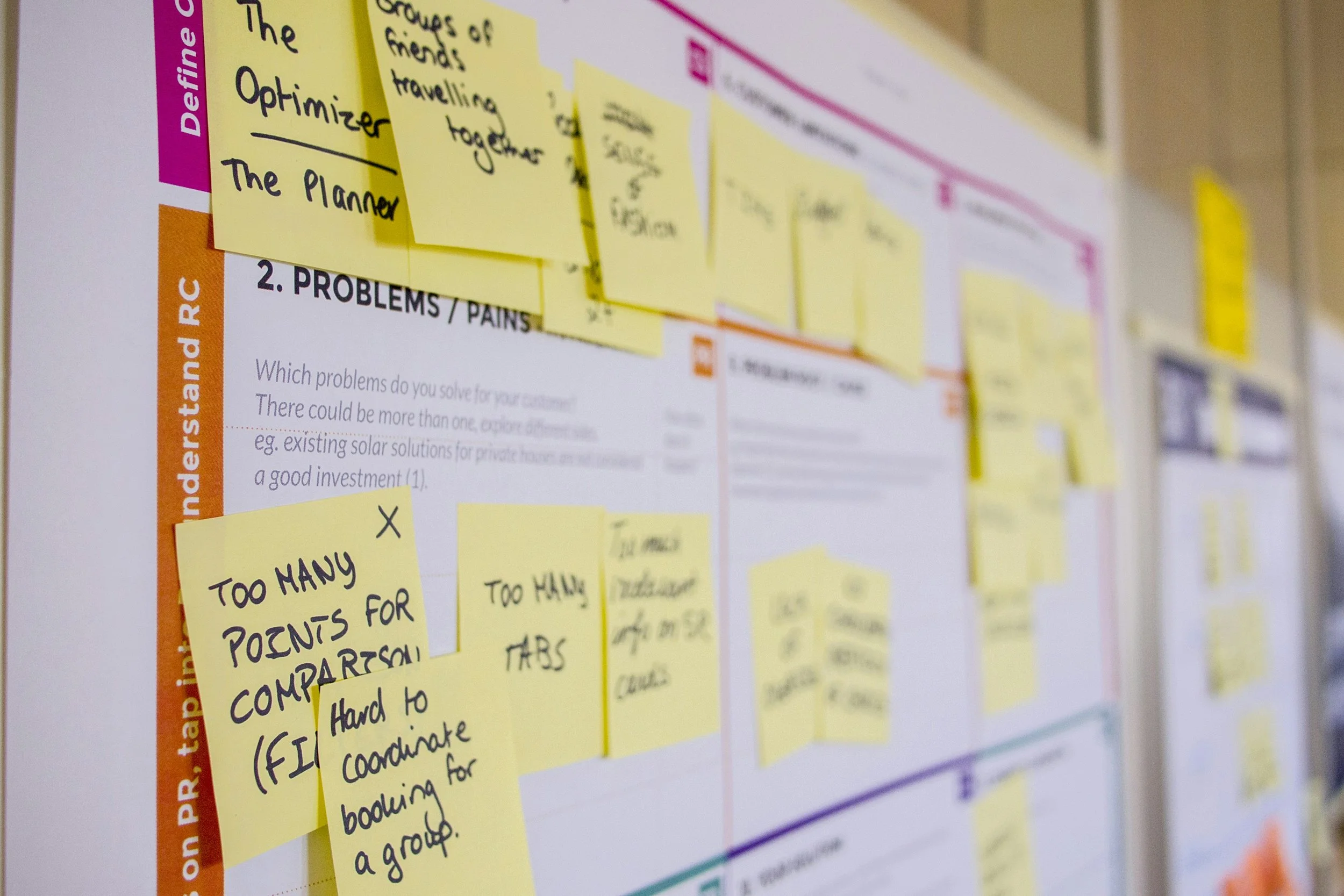
What ADHD looks like in Women
Across Life Stages
ADHD traits are often lifelong—but certain hormonal transitions make them more visible.
-
ADHD in girls may show up as:
Daydreaming or zoning out
Forgetfulness
Messy or incomplete work
Being described as “bright but inconsistent”
In adolescence, symptoms are unmasked by increased demands:
Academic load
Complex social dynamics
Hormonal changes of puberty
-
Pregnancy and early parenthood place high demands on attention, planning, and emotional regulation.
Routines change, sleep often worsens, tasks multiply, and the mental load of planning, feeding, safety, and recovery can unmask ADHD or make existing symptoms feel harder to manage.
Women with ADHD may experience:
Increased overwhelm
Difficulty with organization and routines
Higher risk of postpartum depression and anxiety
-
Hormonal changes can affect attention, mood, and executive functioning.
Many women notice:
Increased distractibility
Brain fog
Reduced tolerance for stress
More difficulty initiating or completing tasks
Some women receive their first ADHD diagnosis during this stage when estrogen fluctuation, sleep disruption, and increasing responsibilities make symptoms harder to compensate for.

In Adult Women
Women with ADHD can appear highly capable on the outside while struggling privately.
Symptoms may include:
Mental overload or “too many tabs open”
Difficulty starting or finishing tasks
Time blindness or chronic lateness
Disorganization despite effort
Emotional reactivity or sensitivity
Perfectionism leading to procrastination
Burnout from trying to keep everything together
In women with eating disorders or disordered eating, ADHD can look like:
Impulsive eating or binge episodes
Difficulty planning meals
Going long periods without eating, then overeating
Feeling overwhelmed by food decisions
-
Many women seek evaluation during periods of increased demand or transition.
These include:
Pregnancy or postpartum
Fertility treatment
Career changes or promotions
Parenting or caregiving
Perimenopause
These phases increase cognitive load while reducing recovery time—making symptoms harder to compensate for.
Diagnosis & Treatment
How ADHD Is Diagnosed
Online quizzes can raise the question—but they do not provide a diagnosis.
-
A comprehensive ADHD evaluation includes:
Detailed clinical interview
Developmental, medical and psychiatric history
Functional impact across work, home, and relationships
Screening for related conditions
-
We look not just at “Do you have ADHD?” but also “When did symptoms worsen?”
Common patterns:
Onset of puberty
Around the menstrual cycle
Pregnancy or postpartum
Shifts during perimenopause
This helps clarify whether ADHD, another condition, or both are contributing.
How ADHD is treated
Untreated ADHD can carry meaningful risks for mood, driving, work, and parenting.
Treatment is individualized, practical, and collaborative.
-
Stimulant and non-stimulant medications can be highly effective.
For women who are pregnant, postpartum, or breastfeeding, decisions are made carefully based on:
Symptom severity
Medication profile
Personal priorities
We will review risks and benefits clearly so you can make an informed decision.
-
Medication is often only part of the solution.
Support may include:
ADHD-informed therapy or coaching
Time management and planning strategies
Emotional regulation skills
Reducing perfectionism and self-criticism
Practical systems are key:
Calendars and reminders
Structured routines
Simplified environments
Clear boundaries around time and tasks
-
Patterns are often easier to see on paper -- track symptoms with your cycle.
Use external systems instead of memory alone – shared calendars, alarms
Keep essentials (phone, wallet, keys) in the same place
Break tasks into small, manageable steps
Simplify routines where possible
Protect basics first: sleep, regular meals, movement, and realistic workload often improve symptoms more than sheer effort.
Get Support
If ADHD may be part of the picture, a thoughtful evaluation can help you understand what’s happening and move forward with clarity.
This practice offers evaluation and treatment for adult women, with telehealth throughout California and in-person care in San Francisco.